Fire Safety For Hospitals: Importance, Checklist with Tips
- January 24, 2022
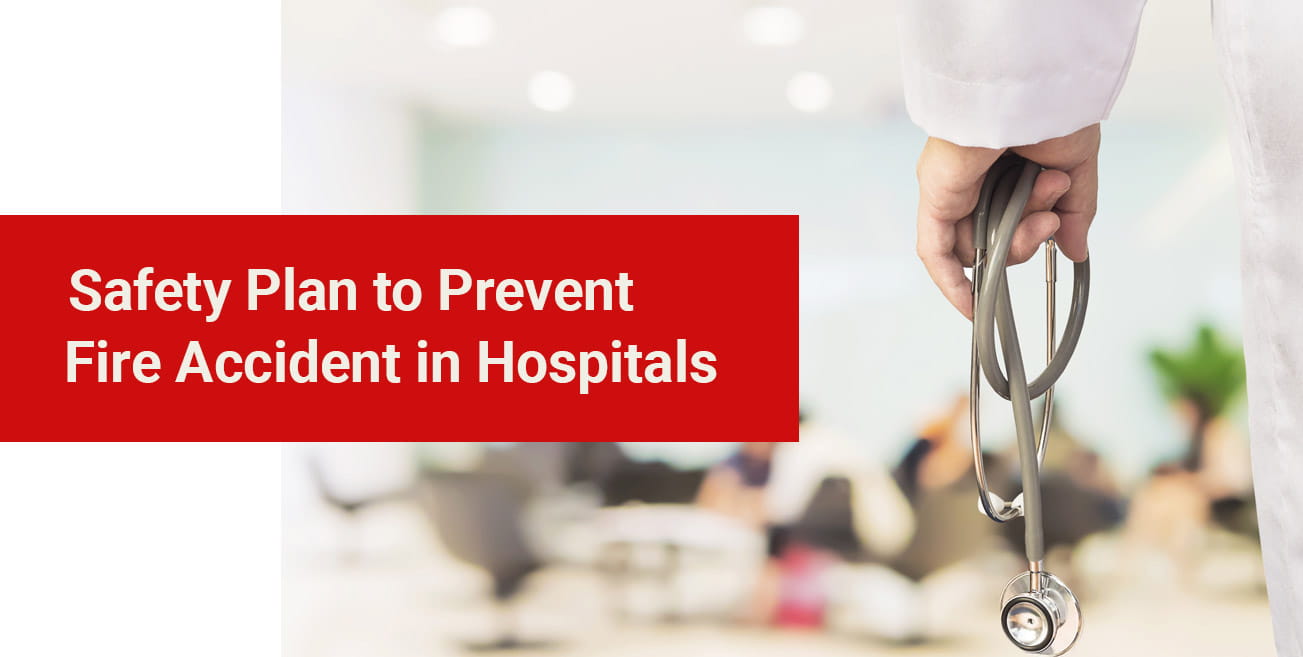
Fire safety in hospitals is not optional—it is a critical responsibility that protects vulnerable patients, essential medical equipment, and healthcare staff. Hospitals operate in high-risk environments where oxygen levels, electrical systems, and flammable materials can rapidly escalate a fire incident. Implementing strong fire safety protocols ensures hospitals remain safe, compliant, and operational at all times.
This guide explains everything healthcare facilities must implement to improve fire safety for hospitals and reduce life-threatening risks.
Why Fire Safety in Hospitals Matters
Hospital fire safety is more important than in any other building because hospitals contain:
- Patients who cannot evacuate independently
- Critical care units (ICU, NICU, OT)
- Oxygen lines and medical gases
- Expensive and sensitive equipment
- High-traffic areas with complex layouts
A fire emergency can:
- Endanger lives
- Shut down lifesaving services
- Damage medical infrastructure
- Break hospital accreditation
- Lead to legal consequences
Effective hospital fire safety minimizes these risks and ensures quick, coordinated action during emergencies.
Mandatory Regulations for Fire Safety For Hospitals
Hospitals must follow strict fire safety regulations, including:
1. NFPA 101 – Life Safety Code
Defines hospital requirements for:
- Safe exit routes
- Smoke control
- Fire-resistant materials
- Evacuation plans
2. National Building Code (NBC Part 4, India)
Covers:
- Sprinkler systems
- Electrical safety
- Emergency exits
- Compartmentation
3. NABH Fire and Safety Guidelines
Requires hospitals to:
- Conduct fire audits
- Maintain fire records
- Train all staff
- Perform regular drills
4. Local Fire Department Norms
Includes:
- Fire NOC
- Equipment inspection
- Fire pump testing
Compliance ensures strong fire safety in hospitals and avoids penalties.
Fire Risk Assessment: The First Step to Hospital Fire Safety
A proper fire risk assessment helps identify hazards and improve fire safety in hospitals. Hospitals must evaluate:
High-risk zones
- Operation theaters
- ICUs
- Laboratories
- Kitchen areas
- Electrical rooms
- Pharmacy & chemical storage
The assessment should check for:
- Fire load levels
- Proper extinguisher placement
- Functional smoke detectors
- Clear exit paths
- Medical gas safety
- Staff awareness
Risk assessments must be conducted annually and updated after any building changes.
Essential Fire Safety Equipment Hospitals Must Install
To strengthen fire safety in hospitals, the following equipment is essential:
Fire Detection Systems
- Smoke detectors
- Heat detectors
- Multi-sensor alarms
- Manual call points
Fire Suppression Systems
- Automatic sprinklers
- Water mist systems
- Clean agent fire suppression (for ICUs, server rooms, OTs)
- Portable fire extinguishers
- Fire hydrants and hoses
Evacuation & Emergency Essentials
- Illuminated exit signs
- PA systems
- Fire escape maps
- Emergency lighting
- Evacuation chairs, stretchers, wheelchairs
Proper maintenance ensures everything works during an emergency.
Fire Safety Guidelines for Hospitals
Every hospital must have a clear and actionable fire safety plan, including:
1. Fire Detection
- Alarm activation
- Smoke and heat detection
- Central monitoring
2. Fire Response
- Raising the alarm
- Initial fire control
- Communication between departments
3. Patient Evacuation
- Horizontal evacuation (preferred)
- Vertical evacuation if needed
- Transfer of critical-care patients
- Movement to safe zones
4. Fire Suppression
- Using correct extinguishers
- Activating sprinklers
- Shutting off oxygen supply (when necessary)
A strong plan ensures smooth coordination and saves lives.
Staff Training & Fire Drills: Core of Hospital Fire Safety
Training hospital staff is one of the most important aspects of hospital fire safety.
Staff should learn:
- How to identify fire hazards
- How to use extinguishers (PASS technique)
- How to help immobile patients
- How to follow evacuation routes
- How to respond calmly to alarms
Fire Drill Requirements
- Conduct drills every 3–6 months
- Include day & night shifts
- Simulate real conditions (smoke, blocked exits)
- Provide feedback and corrective actions
Trained staff = lower risks + faster evacuation.
Patient Evacuation Procedures in Hospitals
Evacuating patients safely is the biggest challenge in hospital fire safety.
Patient categories
- Critical patients (ICU, ventilated)
- Wheelchair-dependent patients
- Ambulatory patients
Evacuation essentials
- Use stretchers, wheelchairs, evacuation chairs
- Keep fire exits unobstructed
- Follow horizontal evacuation whenever possible
- Assign staff to handle critical-care patients
These measures ensure safe, fast, and organized evacuation.
Checklist for Hospital Fire Safety
For strong fire safety in hospitals, equipment must be regularly maintained.
Weekly
- Check extinguishers
- Inspect fire exits
Monthly
- Smoke detector checks
- Sprinkler system review
Quarterly
- Fire pump testing
Annually
- Full fire safety audit
- Fire NOC renewal
- Staff training refresh
Proper documentation is mandatory for compliance.
Technology That Enhances fire safety for hospitals
Modern innovations improve fire safety through:
Smart Fire Detection Systems
- AI-enabled detectors
- Faster and accurate smoke identification
- Reduced false alarms
Advanced Suppression Technologies
- Water mist systems
- Clean agent systems
- Automatic activation
Integrated Communication Systems
- Mobile alerts
- PA announcements
- Intelligent building management systems
Technology allows hospitals to respond instantly and prevent disasters.
Fire Safety FAQs for Hospitals
- Why is fire safety important in a hospital?
➔ Fire safety is vital in hospitals because many patients cannot move on their own or depend on life-support systems. Proper fire safety protects lives, staff, and sensitive medical equipment, ensuring emergencies don’t turn into tragedies. It gives peace of mind to patients, visitors, and healthcare workers knowing the hospital is prepared for any fire incident.
- How to ensure a hospital is fire safe?
➔A hospital stays fire safe by combining technology and training. Installing fire alarms, sprinklers, and extinguishers, keeping clear evacuation routes, conducting regular fire drills, and training staff to respond calmly during emergencies all make a huge difference. Following fire codes and safety standards ensures both patients and healthcare workers are protected.
- Are hospital buildings fire safe?
➔Hospital buildings can be fire safe if they are built with fire-resistant materials, equipped with proper detection and suppression systems, and regularly inspected. Regular maintenance, staff awareness, and quick emergency response plans ensure the building remains a safe place for everyone, from patients to visitors.
- Are hospital fire safety guidelines effective?
➔Fire safety guidelines in hospitals work best when they are actively followed, not just documented. When staff are trained, equipment is maintained, and evacuation plans are practiced, these rules save lives, reduce panic, and protect critical medical services during a fire.
- What are the fire safety rules in a hospital?
➔Key hospital fire safety rules include keeping fire exits clear, regularly checking alarms and extinguishers, controlling flammable materials, and training staff for emergencies. Following these rules ensures that both patients and staff know what to do, reducing risks and keeping everyone safe.
- What are the fire safety measures in hospitals?
➔Fire safety measures include smoke detectors, alarms, sprinklers, fire extinguishers, emergency lighting, and fire-resistant structures. Staff training and drills make these systems effective, helping everyone respond calmly and prevent small incidents from becoming dangerous.
- What is fire safety in a hospital?
➔Fire safety in hospitals is about protecting lives, medical staff, and equipment from fire hazards. It combines preventive measures, quick detection, and emergency response to keep patients safe and ensure hospitals continue to provide critical care without interruption.
Conclusion: Strong Fire Safety in Hospitals Saves Lives
Fire safety in hospitals is a non-negotiable requirement. With vulnerable patients, medical gases, and sensitive equipment, hospitals must adopt comprehensive fire safety strategies.
By implementing:
- Risk assessments
- Staff training
- Fire drills
- Reliable detection systems
- Safe evacuation procedures
- Modern technology
- Regular inspections
Hospitals can protect lives, maintain operational continuity, and meet national and international safety standards.
For trusted fire protection solutions and hospital-grade equipment, Kanex Fire is committed to supporting healthcare facilities with reliable, compliant, and high-performance fire safety systems.
You may also Like